The Trauma No Scan Can See
Let’s talk about trauma.
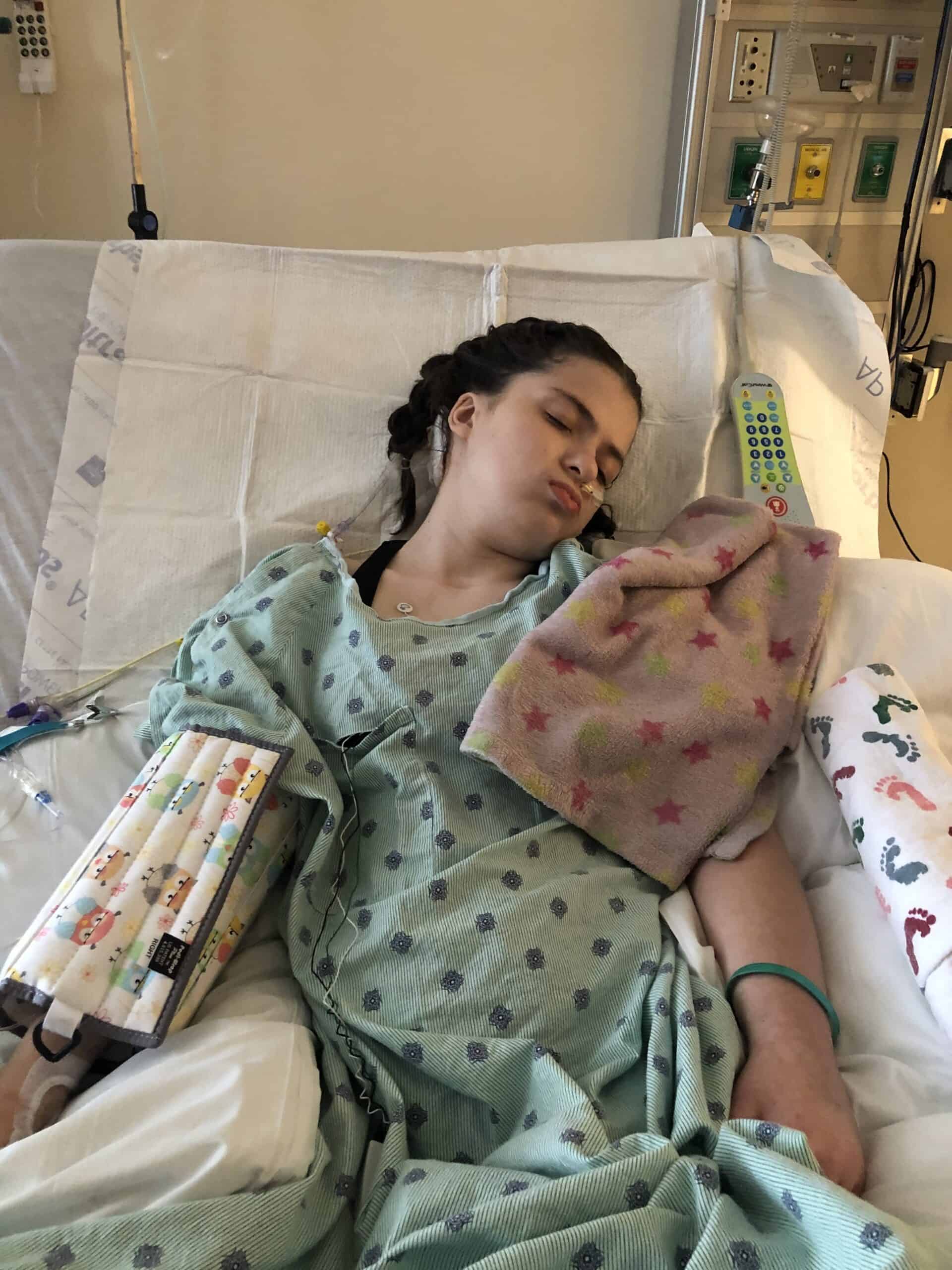
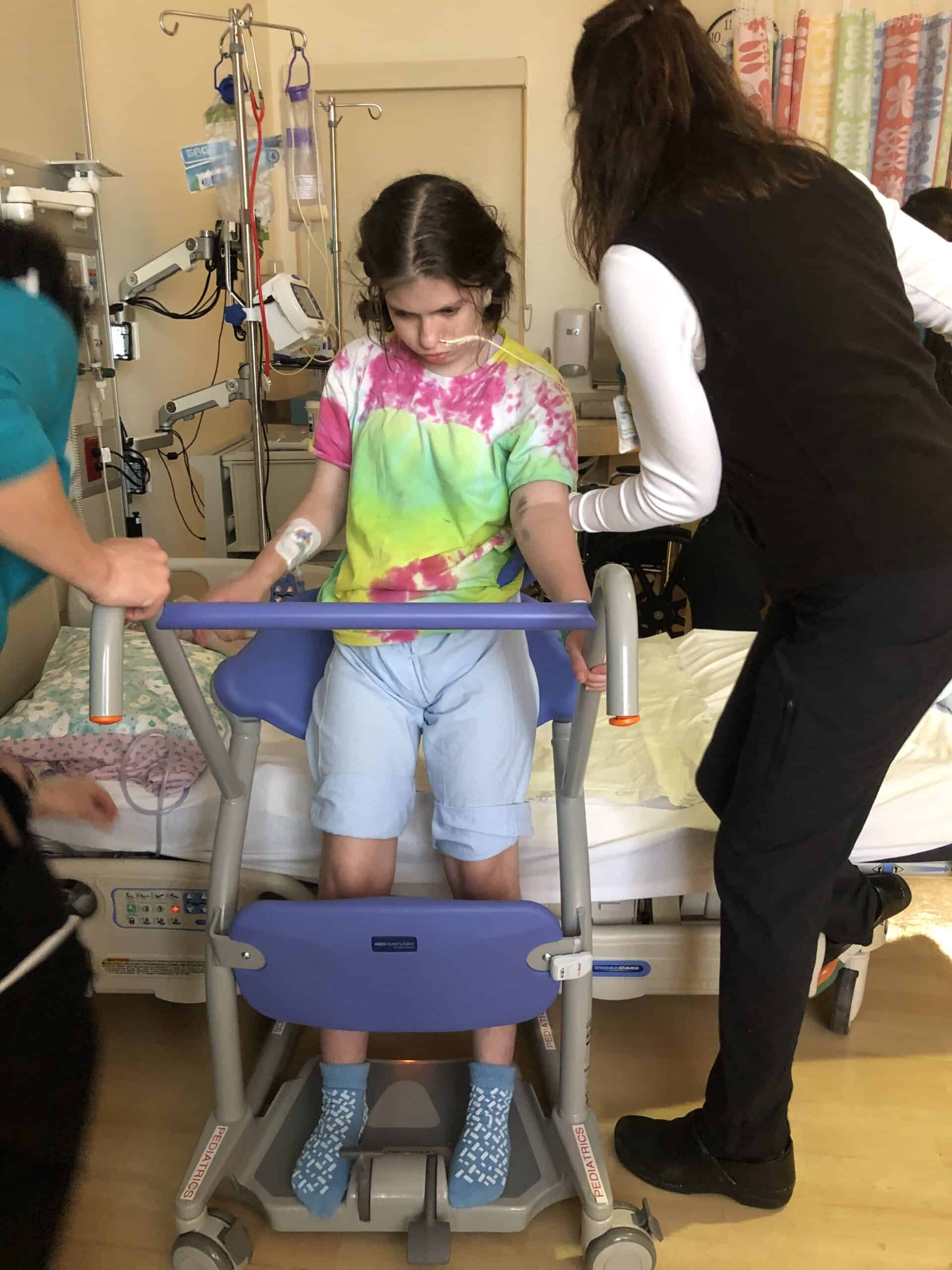
Hydrocephalus. ER visits, CT scans, MRIs. Brain surgery, and then the recovery from invasive brain surgery. Nurses constantly around her, doctors constantly at her bedside. IVs and blood draws. Learning to walk all over again, and re-learning how to brush her teeth. Two months in the hospital. A mediflight to San Diego, and then back in the hospital. Living in a rental for two months. Disorientation. Having a port placed. Starting radiation just days before Christmas, and being put under anesthesia every single time she had radiation, 33 rounds of it. Losing her hair, and the shock that came with it. Blood transfusions. Chemo so intense she was too sick to stand. She needed help with everything she did, while all she wanted was to be her independent self. She was so sad she cried often.
Eventually, she went home to Granite Bay, but the effects of radiation and chemo were so severe that she couldn’t even smile. For three weeks, she lay in her bed, sick, barely able to lift her head. Her parents were terrified, wondering if she would ever lift her head again.
By the fourth week home from San Diego, she began to feel better. She started showering on her own, making her bed, watching TV, walking around, feeling relief and comfort being home. And then, bam, she was sent to Sutter General to begin Round 1 of chemo.
Round 1 was expected to be routine. It wasn’t. Everything that could go wrong did. She spent two weeks in the hospital, endless pokes, nurses constantly at her side, extra medications just to stabilize her. Then kidney failure, followed by doctors working urgently to reverse it with medications and by flushing her system. More doctors, more monitoring. Eventually, she was released.
A few days later, she became so sick that her parents had to carry her to the car because she could no longer walk. They rushed her back to the hospital. She needed more blood transfusions because her hemoglobin had dropped to 6.5, critical. Platelet transfusions followed, then more medications. And this was only Round 1 of chemo.
All of this created true medical traumatic stress.
This week, our family had to make unimaginably difficult decisions. We could not continue to put such a sweet, beautiful, kind, thoughtful, and loving young lady through that level of trauma. After extensive conversations with Rylee’s medical team, treatment was paused until it was believed she might be strong enough to continue. During that time, plans were made for her to receive much-needed PTSD counseling.
As you can imagine, this was devastating for Rylee and for our entire family. We had essentially lived in hospitals since November 2020, and she needed rest. She deserved peace. She deserved to simply be Rylee.
This may not have been the decision everyone would have made, but we knew in our hearts it was the right one. And so did her medical team of more than 15 extraordinary doctors.
I have spoken before about human dignity. Rylee deserved the very best medical care, but she also deserved to live with dignity, peace, and quality of life. If you know someone who has experienced trauma, please be compassionate. Trauma is real, and it can profoundly shape a person’s life.
This is also our story about how mental health coverage became one of the foremost priorities for the Rylee Grace Foundation, and how we knew it needed to be something we would provide for families.
I will never forget watching Rylee decline. To be honest, my own mental health was being tested like never before. I was in pure survival mode. I will never forget the moment I asked her doctors if they offered any type of counseling or therapy. I told them that Rylee was changing. She was becoming sad, depressed, and just wanted to go home. She was struggling to understand why all of this was happening and when she would ever get better.
The doctor stopped in his tracks. He looked at me in a way that made me feel judged. He told me, plainly, that no, they did not offer that. Almost as if I could read his thoughts, it was like he was silently blaming my daughter, as if he thought she was “crazy” or that there was something wrong with her for needing support. I felt a wave of shame for even asking. And I was standing there thinking, Are you blind? Have you not witnessed what she has endured? What all of these kids endure?
It wasn’t me who was “crazy.” It was him, thinking that children, or anyone, don’t need mental health support when facing unimaginable trauma. That moment, that conversation, changed everything for me. Even before I fully realized it, I knew that one of the core missions of the Rylee Grace Foundation would be providing mental health coverage.
Rylee’s journey showed us that mental health is just as critical as physical health. Trauma leaves scars that medicine alone cannot heal. Families endure sleepless nights, fear, grief, and anxiety while navigating complex medical care. They need support, guidance, and therapy to survive, not just as caretakers, but as human beings. Mental health coverage became a promise we would make in Rylee’s name, a way to ensure no family has to face this alone.