The Years Cancer Stole
When a child is diagnosed with cancer, the whole family goes through treatment. No one comes out the same. I did not really understand that until recently, when I sat down to make a photo blanket for Reese to take to college.
"As I searched through thousands of photos, I realized those weren't just missing pictures. They were missing years."
I thought it would be a simple project. Sort through pictures, remember the good ones, laugh a little, pick the moments that captured her. Instead I sat there staring at the screen, not ready for what I was seeing. From 2019 to 2023, there was almost nothing. Barely any birthday parties or vacations. Hardly any pictures of Reese just being a teenager. As I kept scrolling, it hit me. Those were not missing photos. They were missing years.
People see what cancer does to the child who has it. The treatments, the surgeries, the hospital stays. What they do not see is everything it quietly takes from everyone else. It takes from the siblings and the parents. It takes from marriages, from grandparents, from friendships. And it takes years you can never get back. Five of them, for us.
That is what hit me hardest as a mom. I dreamed about being a mother long before I was one. I was the little girl picturing family vacations and birthday parties, cheering from the bleachers, building traditions, taking my girls to Disney and watching them grow up side by side. But from the time Rylee was twelve until she was sixteen, our life was about one thing. Survival.
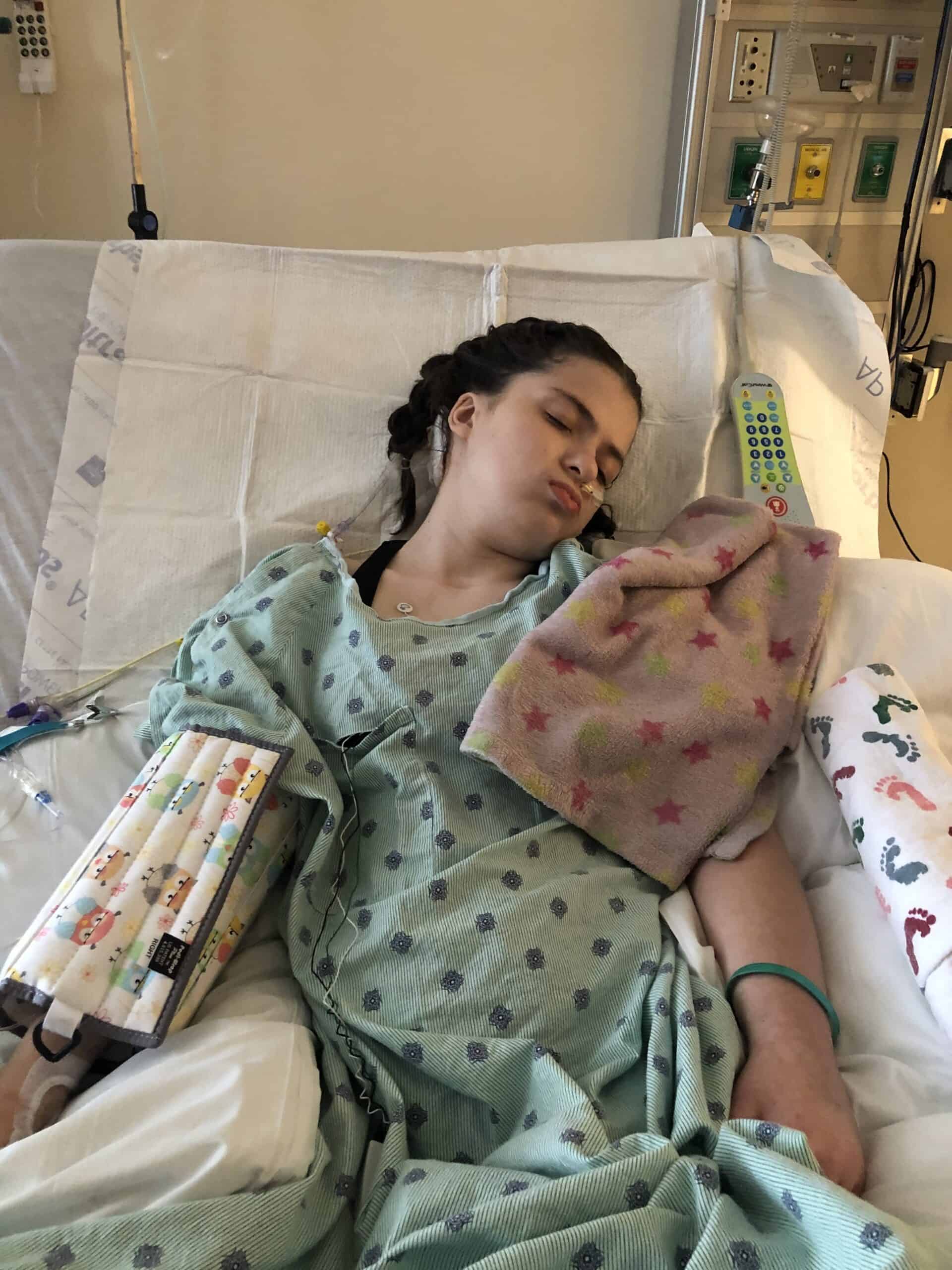
Our calendar was not full of trips and outings. It was MRIs, chemo, radiation, surgeries, medications, blood counts, scans, and waiting rooms that never seemed to empty. We did not plan summers. We planned treatments. The Disneyland trip I always imagined taking with my girls never happened. We fought to keep our daughter alive, and there was not much room for anything else.
All the while, life kept going for everyone else, exactly as it should have. Friends took vacations. Other families celebrated birthdays and graduations. Kids played sports and went to dances. I would hear people talk about their plans and their ordinary days, and I never resented them for it. Honestly, I was glad they did not understand our world. Because while everyone else was living, we were surviving. We were watching our child suffer and carrying a fear that never once let go, the kind that is with you from the second you wake up until you somehow fall asleep. Watching that changes you. There are things you cannot unsee, sounds you cannot forget, moments burned into you for good.
People ask if those wounds heal. They do not. You just learn how to carry them.
You learn other hard things too, about grief and about who stays. Some people move closer and become family. Others quietly drift away. Not because they stopped caring, and not because they are bad people, but because grief this big makes people uncomfortable. They do not know what to say or how to help, and sometimes they simply cannot stand to watch that much pain. So they go quiet. And that silence becomes one more thing to grieve.
Then the unimaginable happened. We lost her. A lot of people assume that when the treatments stop, the fight is over. When you lose a child, the fight is only starting. Because then you have to rebuild. Yourself first. Then you have to help your surviving child rebuild, and your spouse, and watch the grandparents try to put themselves back together after burying a grandchild they adored. You have to figure out how to live in a world that no longer holds the person who made it feel whole.
For a long time I was a shell of myself. I could not focus or hold on to information, and conversations slipped right through me. Not long ago a friend brought up a story she had told me before and asked if I remembered it. I did not. Not a word. It was not that I had not been listening, or that I did not care. Grief rewires your brain, and so does trauma. After years in survival mode and then years of grieving, your mind does whatever it has to in order to protect you. I have had to tell friends and family that if they told me something back then, they may need to tell me again. The truth is, part of me was not really there. Part of me was still in a hospital room, still waiting on scan results, still afraid. And after Rylee died, part of me died too.
What breaks my heart most is that Reese lost those years right alongside her. While her sister fought to live, Reese quietly gave up pieces of her own childhood. Birthday parties, vacations, time with friends, all the ordinary things that are supposed to come with growing up. Then she lost her twin, and had to rebuild her own life while carrying a grief most grown adults could not survive. She had to learn how to be a teenager without her best friend. Without her built-in person. Without the girl who had been beside her every single day since they were born. And somehow, she kept going.
One of the best days we have had in years was Reese's softball signing celebration for Pacific University. We had a giant Pacific sign, family and friends and teammates, pictures, laughing, all of it. I remember wondering if some people thought we were making too big a deal of it. Why the party, why invite so many people, why celebrate so loudly? The answer is simple. We all lost five years. Five years of milestones and celebrations and ordinary joy. So we were not only celebrating softball that day.
Because here is what most people did not see. Reese was not just playing ball during those years. She was playing while carrying grief no kid should have to carry, competing while her twin sister fought for her life, trying to be a normal teenager in a world swallowed up by cancer. There were days she walked onto the field feeling guilty. Guilty for laughing. Guilty for doing well. Guilty for getting to play the game she loved while her sister was in another treatment, another procedure, another hospital stay. And she kept showing up anyway. She kept working, and fighting, and moving forward.
So when it was finally time to celebrate her signing, we were celebrating a lot more than softball. We were celebrating resilience, and survival, and a young woman who refused to let the worst thing that ever happened to her decide her future. Mostly, we were celebrating joy, which had been gone from our family for far too long. After all the hospitals and treatments and loss, we had earned one day where cancer was not the reason people came together. Reese had earned a day that was just hers. A day where happiness got to win.
Now, as I get her ready for college, I am proud in a way that is hard to put into words. And I am grieving too. I grieve the years cancer stole from her, and from Rylee, and from all of us. The vacations we did not take. The memories we did not get to make. The photographs that should be filling that blanket and simply are not. People ask if it gets easier. For me that is not the right word. It gets softer. The pain is still there every day, and so is the love, and so is the missing. But the sharp edges wear down over time. The waves still come, they just do not always pull you all the way under anymore. They come and they go. And somehow you learn to hold grief and joy in the same heart.
If there is one thing I hope people take from this, it is this. When a child is diagnosed with cancer, the whole family goes through treatment. And long after the treatments end, that family is still trying to rebuild a life they never expected to lose. Some of what was lost you can see. Most of it you cannot. But it is all real, just the same.